
February 25, 2025
Desert Sands to Mediterranean Waves: Choosing Your Wedding Landscape in Israel
Where will your story take place?

When is the best time to get married in Israel? We explore the seasons, regional weather, Jewish holidays and travel considerations for US couples. From outdoor summer celebrations to indoor winter weddings, we help you choose a date that suits your venue, your guests and the experience you want to create.
For couples considering an outdoor wedding in Israel, May, June, late September and October are good months to explore first. The right date depends on your location, your preferences around heat, the Jewish calendar and when your guests can travel. September can still feel like summer, while October calls for a thoughtful rain backup.
At Danny Marx Event Planning & Production, we help couples coming from abroad choose a date that works for the entire experience: the wedding, the travel and the time spent with family and friends.
Israel’s weather varies by region. A coastal wedding, a Jerusalem courtyard celebration and a desert event need different plans, even in the same month. Summers are generally hot and dry, while winter brings cooler weather and most of the rainfall.
We recommend choosing your season and location together. Before committing to a date, consider how much of your celebration will take place outdoors, where guests will stay and which activities you would like to include.
Spring is worth exploring if you imagine an outdoor ceremony, a garden reception or a wedding trip that includes sightseeing.
March and April require flexibility around rain and cooler evenings. May can offer a more appealing balance for couples hoping to celebrate outdoors, although hot spells remain possible. Jerusalem’s climate records show a substantial rise in daytime temperatures between March and May, so these months should not be treated as interchangeable.
For a spring wedding, we recommend:
Spring can suit a celebration with several events, but each event needs its own weather plan.
Summer is an option for couples who want an outdoor evening celebration and whose guests prefer traveling during school vacations.
Heat should be a central part of the planning. Israel Meteorological Service data for the Ben Gurion Airport area puts average daily highs in July and August close to 33°C, or 91°F. Conditions at your venue will vary, but this is a useful reminder to plan for comfort throughout the day.
We would build the schedule around shaded arrivals, accessible drinking water, comfortable transportation and a suitable ceremony time. For welcome lunches or daytime activities, an air-conditioned setting may be the better choice.
June is also worth comparing with July and August if your dates are flexible. Rather than choosing “summer” as a single category, we help you evaluate the specific month, venue and event hours.
Fall deserves a place on your shortlist, particularly if you want to combine a wedding with tours, dinners and time outdoors.
September can still be hot. October generally brings lower temperatures, while November needs a stronger plan for cooler conditions and rain. The transition is gradual, and weather patterns differ across the country.
For a fall wedding, we look closely at ceremony timing, evening comfort and the venue’s indoor options. We also check the Jewish holiday calendar before developing the itinerary.
A date that looks convenient on a US calendar may overlap with a holiday in Israel. Checking both calendars early helps you make a more informed choice.
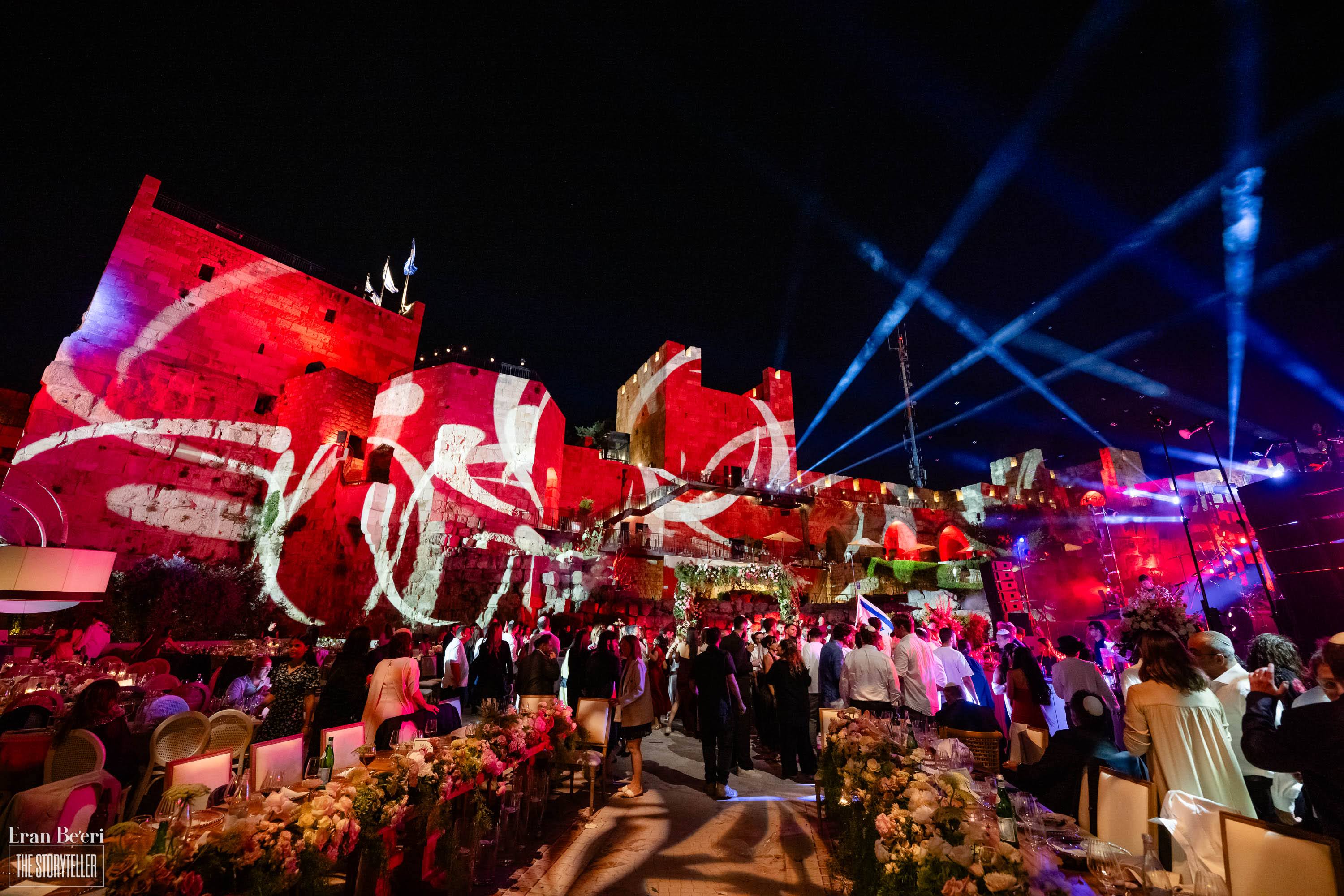
A fall wedding in one of the most desirable locations in Israel - The Tower of David, Jerusalem
Winter is worth considering if you picture an indoor celebration with thoughtful lighting, a beautifully designed dinner and a lively dance floor.
These are Israel’s core winter months, and rain needs to be part of the plan. We recommend choosing a venue whose indoor spaces can comfortably accommodate the ceremony, reception and dinner.
Covered access, convenient transportation and a flexible photography schedule also deserve attention. An outdoor area can be a welcome addition when conditions allow, while the main celebration should work comfortably indoors.
The setting matters as much as the month. We assess the actual venue and event schedule before recommending a date.
For a Jewish wedding in Israel, the religious calendar should be checked before you sign with a venue or send save-the-dates.
Wedding-date restrictions can apply around holidays and periods such as the Omer and the Three Weeks. Customs vary, so we recommend confirming your proposed date with the rabbi who will officiate.
For celebrations around Shabbat, we also review the timing of events, transportation and supplier arrangements. The aim is to make sure your plans work for your ceremony, your venue and your guests’ observance.
The best wedding date should give your guests a realistic opportunity to join you.
Before settling on a date, we suggest checking availability with the people whose attendance matters most. Consider school commitments, work schedules and how much time guests can comfortably spend abroad.
We also recommend leaving room between arrival and the first major celebration. A welcome dinner is more enjoyable when guests have time to check in, rest and settle into their surroundings.
A sample itinerary might include:
We adapt the schedule to your guests’ arrival dates and the experience you want to create.
May, June and October are useful starting points for a shortlist. Late September may also suit your plans if you are comfortable with warmer conditions. We recommend making the final choice around the venue, religious calendar and weather backup.
An August wedding needs careful planning around heat. An evening ceremony, cooled indoor spaces and comfortable guest transportation can help shape the experience. We would review the full schedule, including preparations, photography and any daytime gatherings.
Yes. We recommend an indoor venue that can host every part of the celebration comfortably, with outdoor spaces used when conditions allow.
We suggest starting with a preferred season and a small selection of dates. This gives you flexibility to compare venues while checking the ceremony requirements and your closest guests’ availability.
Choosing a wedding date means balancing the setting you love with the experience you want to share.
At Danny Marx Event Planning & Production, we help bring those decisions together, from the venue and celebration to hotels, guest transportation and surrounding events.
Planning a wedding in Israel from the US? Contact us to explore the dates and locations that suit your celebration.
